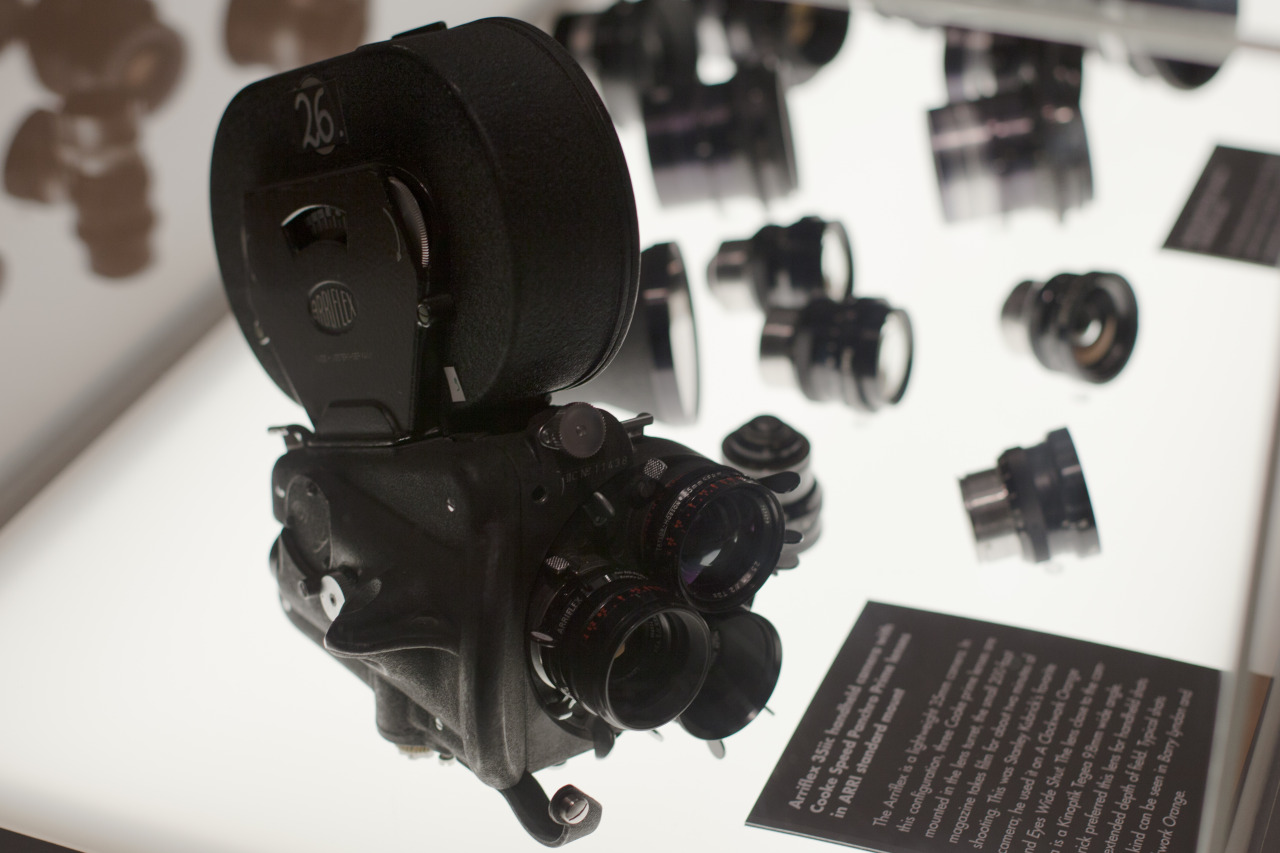

A Guy Found a Dozen Lost Carl Sagan Tapes in a New York Thrift Shop
Carl Sagan was an inspirational figure to many of us, but he may not have had his last word just yet—because a dude on MetaFilter is claiming to have unearthed a box of his personal dictations on cassettes bought in a thrift store.
Christopher Stangland claims to have picked up a box of unlabeled Sony dictation machine tapes from a Volunteers of America thrift store in Binghamton, NY, way back in 1993. Now, having listened to them, he’s confident that they’re Carl Sagan’s personally dictated recording—including personal notes, correspondence and business instructions.
He claims they date back to some time around 1984, and offers plenty of evidence which suggests that they are indeed of the provenance he claims. Firstly, he shows off »
Making progress with any particular stakeholder is all about knowing what’s important to them
Top Hacks from a PM Behind Two of Tech’s Hottest Products
This is one of the best writeups about how to be a great Product Manager since Good PM, Bad PM.
(via caterpillarcowboy)
An inspiring talk from my friend and colleague Harlo from the Guardian project, about her amazing work on InformaCam.
(Source: https://www.youtube.com/)
Curious to know if you’re any good as a performer? The three minute close up will let you know what it takes.
(Source: https://www.youtube.com/)
NSA Hacks Yahoo, Google Data Centers
Via the Washington Post:
The National Security Agency has secretly broken into the main communications links that connect Yahoo and Google data centers around the world, according to documents obtained from former NSA contractor Edward Snowden and interviews with knowledgeable officials.
By tapping those links, the agency has positioned itself to collect at will from among hundreds of millions of user accounts, many of them belonging to Americans. The NSA does not keep everything it collects, but it keeps a lot.
According to a top secret accounting dated Jan. 9, 2013, NSA’s acquisitions directorate sends millions of records every day from Yahoo and Google internal networks to data warehouses at the agency’s Fort Meade headquarters. In the preceding 30 days, the report said, field collectors had processed and sent back 181,280,466 new records — »
I always thought that it was great when people told me that my films are impossible to put in a drawer. So I’d say: ‘Oh, thank you’, and they’d respond: ‘No, that’s terrible. You would be doing yourself a big favour if you worked in a genre.’ And then they’d tell me I should work in science fiction, a genre I don’t find much of a connection with for some reason, even though it has so much potential. To some extent, science fiction and horror seem so close together as an element of fantasy. But I still like my horror films scary yet slightly allegorical to a degree where I’m not sure whether I can figure out the allegory. If I can’t figure it out, that’s even better. But it has to be rooted in something that »
Turn your smartphone into a digital microscope for around $10:
This DIY conversion stand is more than capable of functioning in an actual laboratory setting. With magnification levels as high as 175x, plant cells and their nuclei are easily observed! In addition to allowing the observation of cells, this setup also produces stunning macro photography.
We’re putting this on our must-build list. Related watching: more macro-view videos or Build Your Own Lego Microscope.
Thanks, @dontcallmedarth.
Hell yes, this is amazing.
(Source: https://www.youtube.com/)
It’s easy to give something away when you’re in last place with zero marketshare, precisely where Android started. When you’re in first place though, it’s a little harder to be so open and welcoming. Android has gone from being the thing that protects Google to being something worth protecting in its own right. Mobile is the future of the Internet, and controlling the world’s largest mobile platform has tons of benefits. At this point, it’s too difficult to stuff the open source genie back into the bottle, which begs the question: how do you control an open source project?
Google’s iron grip on Android: Controlling open source by any means necessary | Ars Technica via @mikeindustries. (via journo-geekery)
A good explanation of the moves Google is making to stay king of the android mountain.
the concept of … (here and now)
Just watch, OK? It’s awesome.
A++ Video Art
(Source: https://player.vimeo.com/)
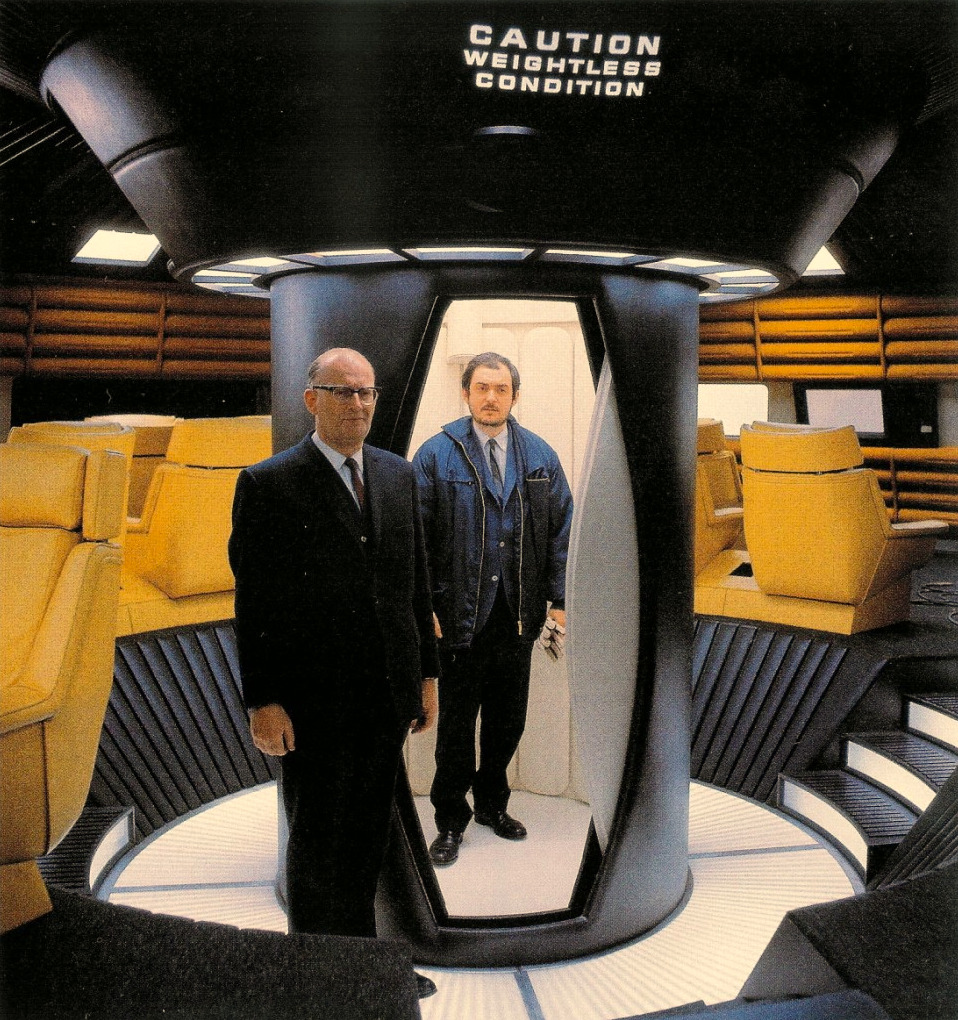
The Making of Kubrick’s 2001
cinephilearchive:
A few days ago, I received out-of-print gem The Making of Kubrick’s 2001 (edited wonderfully by Jerome Agel, 1970). I’m still over the moon.
There have been countless words written about Stanley Kubrick’s visionary masterpiece 2001: A Space Odyssey — some good, some bad — but after 45 years, this superb book remains the only one you’ll ever really need. It is such a shame that this book is out-of-print. It is filled with everything you ever wanted to know about 2001. It leads off with Arthur C. Clarke’s short story “The Sentinel” and closes with a complete reprint of Stanley Kubrick’s interview with Playboy magazine. In between are profiles, interviews with technical advisors, effects secrets revealed, letters to Stanley from the moviegoing public, as well as »
If an oil puddle is found on the factory floor, most companies would quickly get someone to clean it up before it causes an accident. At Toyota, they would quickly get someone to place warning cones and tape around the puddle, and then they would figure out where the puddle came from. Was a leaky forklift parked here? Does one of the pipes overhead have a leak? Is a nearby robot flinging a few drops of oil from it’s joints every minute? The oil puddle is a sign of a problem somewhere else, possibly a more important one, and you don’t clean it up until you’ve figured out where it came from and fixed the cause.
ceribus peribus, writing about his father’s experience working for Toyota.
However, I do think it is important to get the story right. As Bilton observes, creation myths matter. They don’t simply tell how things happened, they tell us who we are. Jack Dorsey clearly needs to believe that he’s not just clever (and lucky), but that he’s a rare breed of genius. It’s also probably important to Twitter’s employees and investors to believe this too.
TXTmob and Twitter: A Reply to Nick Bilton | Public Practice Studio
I often advise startups to create a creation myth and not that like all myths it’s a story based on a kernel of truth but it’s a storified version of reality that is simpler, more entertaining and makes a point. Reality doesn’t occur in such a straightforward manner.
All creation myths are similar. Just understand that the people in those myths are playing roles »
Rise and shine: the daily routines of history’s most creative minds
Rise and shine: the daily routines of history’s most creative minds
The path to greatness is paved with a thousand tiny rituals – but six key rules emerge. Excerpted from Daily Rituals: How Great Minds Make Time, Find Inspiration And Get To Work
1. Be a Morning Person
It’s not that there aren’t successful night owls: Marcel Proust, for one, rose sometime between 3pm and 6pm, immediately smoked opium powders to relieve his asthma, then rang for his coffee and croissant. But very early risers form a clear majority, including everyone from Mozart to Georgia O’Keeffe to Frank Lloyd Wright. (The 18th-century theologian Jonathan Edwards, Currey tells us, went so far as to argue that Jesus had endorsed early rising “by his rising from the grave very early”.) For some, waking at 5am or 6am is a necessity, »

Chicken Head
Mother nature’s image stabilization is incredible.