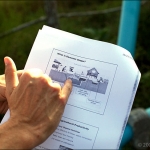
Gobar is typically mixed with a roughly equal amount of water, and gravity-fed through a pipe into an airtight underground “digester,” where naturally occurring bacteria feast on the mixture. This anaerobic process produces small but precious amounts of gas. That gas can be fed directly into a heat source, such as a cooking stove, and used to fuel it.
The biogas is 50-70% methane by volume, similar to natural gas, and a convenient source of clean energy. The gas is easily collected and stored for lighting, cooking and other household uses. After bacteria digest the dung, the by-product is a rich organic fertilizer, sometimes called slurry, or bioslurry. That fertilizer is more effective than raw dung, with important benefits for hands-on farmers. For instance, it doesn’t smell bad, and almost all the pathogens and weed seeds have been destroyed. There is no downside. No waste. No poisonous residues or batteries. Few moving parts. Gobar Gas is an astonishingly elegant tap into “the circle of life” which environmentalists, economists, development people and humanitarians can all admire.
Related Posts